• Quicklinks
    • Find out about sustainable timber harvesting
    • Look up a State forest
    • Check for closures and notices
    • Can I light a fire?
    • Get a map
    • What can you do on State forests
    • Look up our harvesting plans
    • Get job at Forestry Corporation
    • Get a permit
    • Contact us
  • Contact us
Logo
  • Visit a forest
    Visit
    Planning your visit
    • Our virtual visitors' centre
    • Find a State forest
    • Know before you go
    • Things to do
    • Our top visitor sites
    • Mountain bike trails
    Check these first
    • Check for closures and notices
    • Collecting firewood
    • Lighting campfires
    • Understand our forestry signs
    • Tread lightly
    Connect with us
    • Our tourism investment
    • Our social media
  • Sustainability
    Sustainability
    How we manage sustainably
    • Ecologically sustainable forest management
    • Research, monitoring and citizen science
    • Certification and audits
    • Sustainability reporting
    Sustainability in practice
    • Wood - the Ultimate Renewable
    • Protecting wildlife
    • Using sustainable timber
    • Forests and climate change
    • Renewable energy
    • Silviculture
    In profile
    • Koalas
    • Greater gliders
    • Swift parrots
    • More
  • Managing forests
    Managing forests
    Learn about forestry operations
    • Sustainable forest management
    • Hardwood timber plantations
    • Softwood timber plantations
    • Learn about current operations
    • Look up a harvest plan
    How we care for forests
    • Sustainability
    • Managing bushfires
    • Regulations
    • Pests and weeds
    Our partnerships
    • Aboriginal partnerships
    • Stakeholder engagement
    • Working with us
    The business of forestry
    • Tenders and proposals
    • Timber sales
    • Customer and contractor portal
  • About
    About us
    Our organisation
    • Who we are
    • Meet our people
    • Our history
    • Our Board and Shareholders
    • State forest estate
    Get info and resources
    • Latest news
    • Newsroom and media
    • Sustainability reports
    • Publications, plans and factsheets
    • Policies
    • For schools
    • Annual reports
    Get data
    • Maps and spatial data
    • Contracts held
    • Right to Information
    • Defined State forest area
    Connect with us
    • Contact us
    • Get a permit or authorisation
    • Road access and fencing
    • Volunteer in a forest
  • Careers
  • Home
  • Sustainability
  • Research, monitoring and citizen science

Citizen science

State forests are used and enjoyed by community members every day and visitors are likely to see a wide variety of native birds, animals or plants.

Citizen scientists are encouraged to use apps such as Frog ID, which is a wonderful tool that allows visitors to record and submit calls that are then verified by experts.

If you see threatened or endangered wildlife or plants in the course of your visit to a State forest, you can submit your sighting to the NSW Government's BioNet Atlas or to Forestry Corporation.

If you wish to carry out a wildlife survey in a State forest, you will require a research permit.

Apply for a research permit

Research permits are required for some activities. Apply for a research permit.
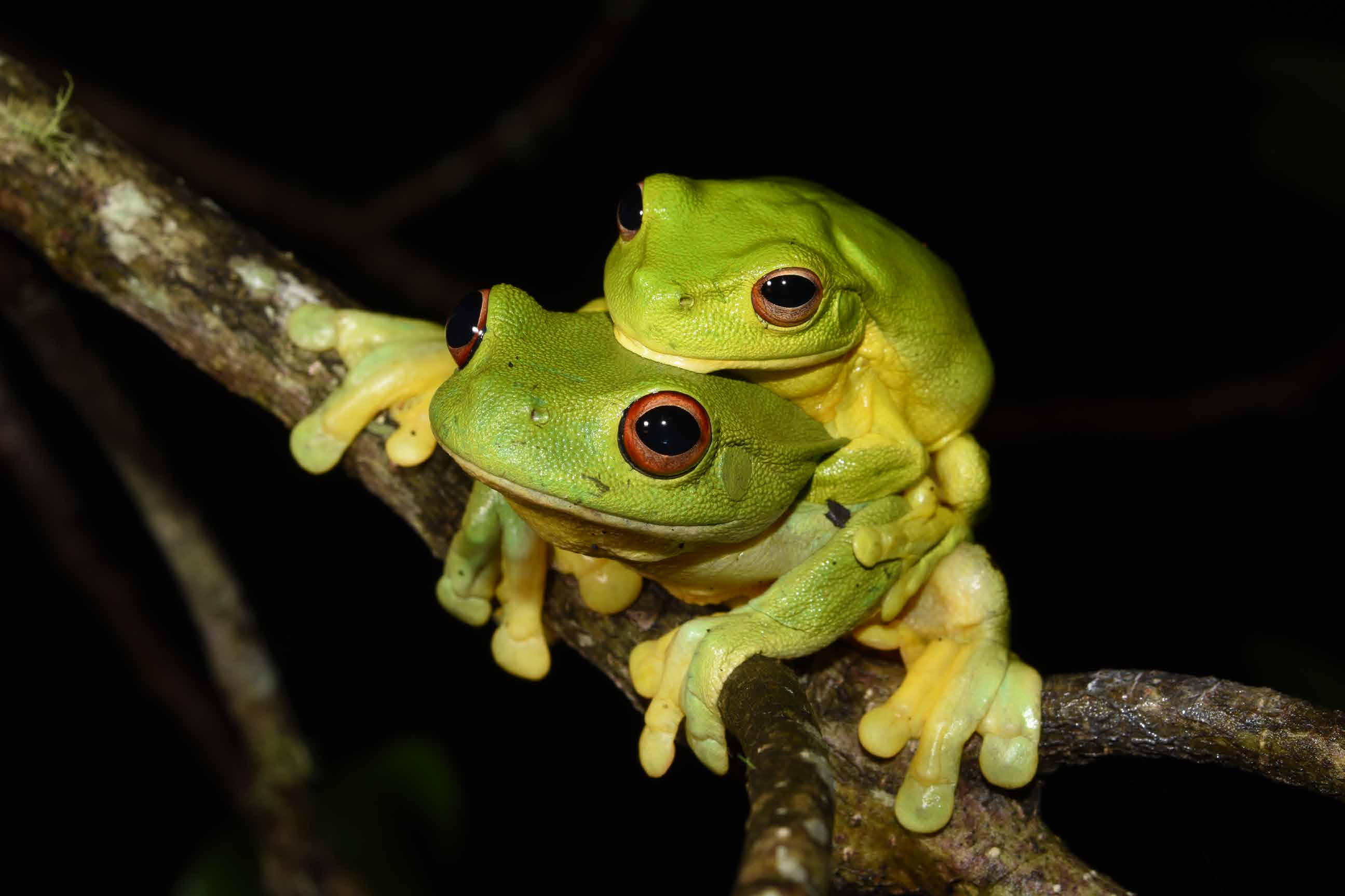
FrogID citizen science program

Contribute to the FrogID citizen science program to monitor, protect and conserve forest frogs.
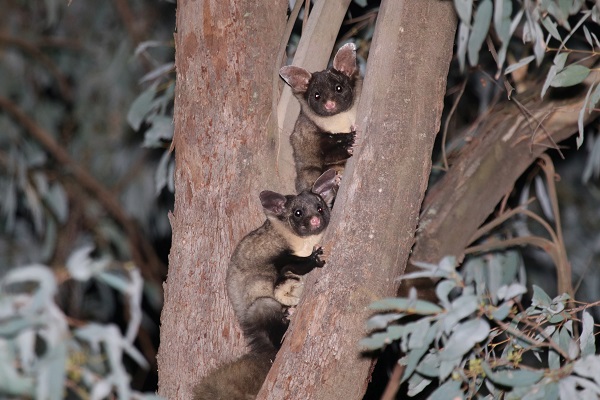
BioNet Atlas

Learn more about the NSW BioNet Atlas and how to contribute records.

Why research permits are required

The NSW Animal Research Act 1985 was introduced to protect the welfare of animals, by ensuring their use in research is always humane, considerate, responsible and justified. This act defines surveys as animal research.

Certain activities used in surveys can change the behaviour of animals and expose them to an increased risk of predation or stress. Examples include:

  • using spotlights
  • using any type of trap or cage
  • using any type of bait or lure
  • playing the calls of individual species
  • any activity that could disturb animals in hollows

For this reason, if you wish to carry out any formal surveys, you must apply for a research permit and  have an Animal Research Authority provided by an established Animal Care and Ethics Committee.

Permits ensure people carrying out surveys have the experience and knowledge to work responsibly and ethically, that information is appropriately shared with Forestry Corporation as the land manager, and that other conflicting activities are not taking place in the  same part of the forest that may compromise their research or safety, such as authorised hunting or a major event like a car rally.

Apply for a research permit.

Safety and forest closures

From time to time, State forests or parts of State forests may be closed, for example during an active operation, due to wildfire or hazard reduction activities, or during a large organised event or activity. Closures are put in place for the safety of forest users and workers and it is an offence to enter an area that has been closed under the Forestry Regulations. Forestry Corporation cannot accept records from areas of State forest that were closed at the time of the observation.

Visitors and citizen scientists should avoid dangerous activities such as climbing trees due to the risk of injury to themselves and the risk of causing stress to animals nesting or roosting in these trees.

Submitting information to Forestry Corporation

Anyone carrying out formal surveys must comply with the conditions of their research permit, which will include details on how to submit records to Forestry Corporation.

If you are not carrying out a survey but see a threatened or endangered species in the course of your visit, you can submit your sighting to the NSW Government's BioNet Atlas. Sightings that are sent to Forestry Corporation should include coordinates, a photo that provides enough information to identify the species, and the name and qualifications of observer. This information will be reviewed and verified by our ecology team to determine if a record can be accepted.

Forestry Corporation cannot accept records from areas of State forest that were closed at the time of the observation or any record obtained by picking or harming a threatened plant species, including removing any seeds or cuttings, as these records were not obtained legally.

Sustainability

  • The Story of Forestry
  • Ecologically sustainable forest management
  • Certification
  • Protecting wildlife
  • Carbon and forests
  • Education
  • Protecting waterways
  • Old growth and rainforest
  • Research, monitoring and citizen science
    • chevron_right Citizen science
    • chevron_right Eastern NSW forest monitoring program
    • chevron_right Wildlife monitoring shows species springing back after Black Summer
  • Renewable energy
Forestry Corporation of NSW acknowledges the traditional custodians of the land on which we live and work, and pay our respects to the Elders past, present and future.
FCNSW Logo

Sections

  • Visit
  • Sustainability
  • About
  • Managing forests
  • Careers

Useful links

  • Find a forest
  • Permits
  • Publications
  • Media releases
  • Customer contractor login

Contact Us

  • Contact information
  • Accessibility
  • Privacy
  • Copyright
  • Disclaimer
  • © State of NSW