
Pesticide Use Notification Plan
Our Pesticide Use Notification Plan sets out how, when and where we will notify the public about pesticide applications in public places under our control.
We are committed to using chemicals only where appropriate, with care for the maintenance and protection of water quality, biodiversity, soil values and neighbouring land uses.
Our Pesticide Use Notification Plan sets out how, when and where we will notify the public about pesticide applications in public places under our control.
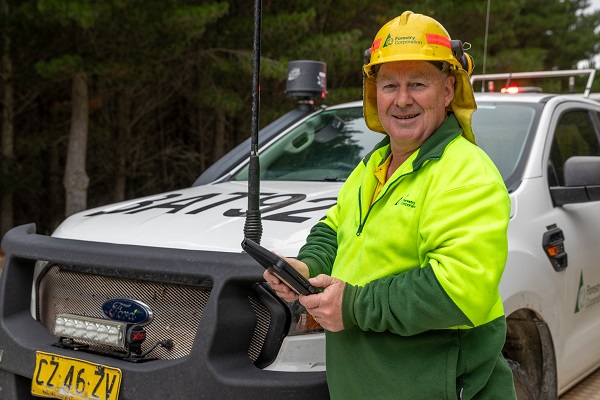
We have obligations to manage pests and weeds in State forests and collaborate with other land managers and agencies to maximise effectiveness.

Our Forest Management Plans set out our commitments to ecologically sustainble forest management and chemical use in the forests we manage.
The Protection of the Environment Legislation Amendment Act 2011 requires all environmental incidents causing or threatening material harm to the environment to be immediately reported to the Environment Protection Authority (EPA) and other relevant authorities.
In the event of a pollution incident that causes or threatens to cause material environmental harm we will:
1. Call 000 if the incident presents an immediate threat to human health or property. Fire and Rescue NSW, the NSW Police and the NSW Ambulance Service are the first responders, responsible for controlling and containing incidents.
2. If the incident does not require an initial combat agency, or once the 000 call has been made, notify the relevant authorities in the following order:
3. In determining the extent of community notification, we will consider aspects such as the type of pollutant and its mobility, prevailing winds, proximity to any drainage features, particular major water storage areas or creeks and possible impacts on sensitive receptors.
N.B. The NSW Emergency Services are responsible for communicating with the community in the event of an emergency with immediate threat to human health or property.
Information on a pollution incident shall be communicated to the community as soon as practical via door knocks, phone calls or letter box drops for nearby premises, and via local radio, media release or information on this website for the wider community.
View our pollution incident response plans: