Virtual visitor centre
Check out our virtual visitor centre to get all the tips and advice you need for a safe and enjoyable trip.
Some beautiful visitor areas in the State forests of the Lower Barrington Tops can be found in Chichester State Forest, accessed via Dungog or Gresford.
Chichester State Forest is divided into two distinct areas, the western side centred on the Allyn River and the eastern side centred on the Telegherry River.
Access to sites around Allyn River is via Dungog or Gresford, about two hours drive from Newcastle or 3.5 hours from Sydney. Coming from Gresford, the road crosses a number of causeways that may become impassable during periods of heavy rain.
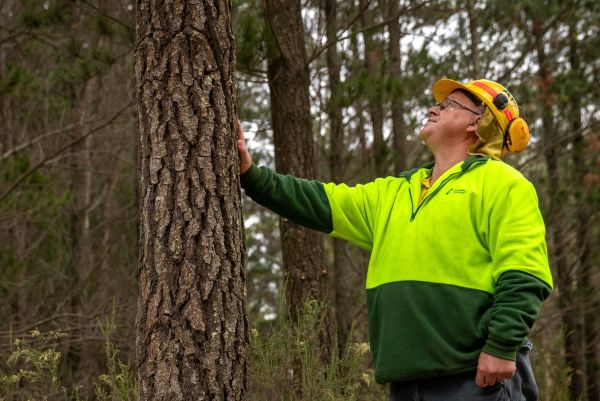
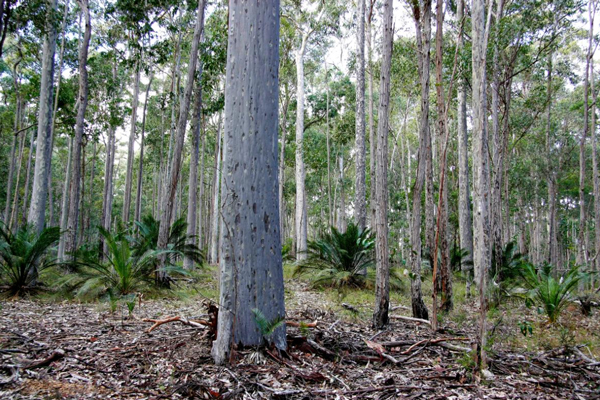
Forests in this area have been harvested many times for timber over many decades - some for over 150 years - so the forests you see today are regrowth forests. Today's forest management practices protect biodiversity, soil and water quality and cultural heritage sites, while also allowing for sustainable timber production (read more about sustainable forest management).
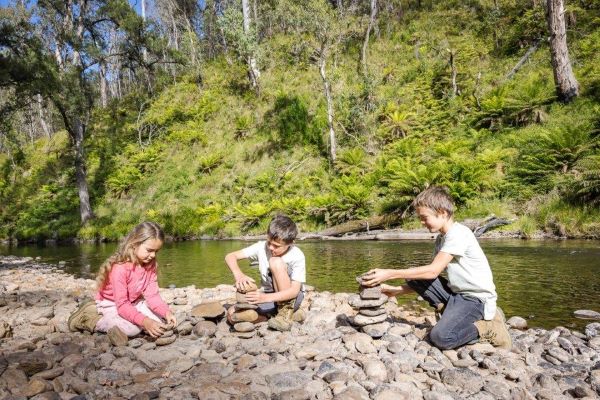
We ask all our visitors to please look after this beautiful family-friendly area. Please respect the river - take only photographs and leave only footprints.
The Allyn River Forest Rest Area is a great day use area for swimming, bushwalking, relaxing or four-wheel-driving. The nearby swimming hole at Ladies Well is a cool refreshing swimming hole that is perfect for a dip in the warmer summer months.
A small picnic spot on the opposite bank of the river from the larger Allyn River Forest Rest Area. Here you'll find the start of the beautiful Allyn River Rainforest Walking Track.
White Rock camping area is located upstream of other visitor areas. Large and flat with toilets, this camping area is essentially for 'walk-ins' with the carpark adjacent to the camping area. This is a delightful spot to appreciate or paddle in the cool, crystal clear waters of the Allyn River.
Old Camp is positioned closest to the Allyn River with drive-in shady and spacious camp sites. A popular spot with families.
A spectacular lookout offers 360 degree views of the forests, park and wilderness of the Barrington Tops. Follow Mount Allyn Road through dry eucalypt forest at lower altitudes to cool temperate Antarctic beech forest and then into open grassy forest. The return distance from the main road is 28 kilometres. Note: The road up to Mount Allyn can become slippery in wet weather and may be seasonally closed due to snowfalls.
A picturesque waterhole with cascades where you can relax on warm rocks or take a dip in the cool Allyn waters.
Please note: no glass is allowed at Ladies Well. Please use the bin bank nearby to dispose of glass before enjoying this area.
Dobbie Rim is a small grassed picnic area. Please note, the closest toilets are located nearby at Old Camp.
A little further from the river is Pademelon with its large, secluded sites divided by trees. This site is recommended for groups of campers who wish to have a good time without disturbing other campers and forest visitors.
This short looped walking track (20 minutes) is a fantastic way to appreciate the rainforest environment and Allyn riverbank. Take in majestic trees, huge buttress roots, hanging vines and mossy rocks whilst catching glimpses of the river. Take off your shoes and cool your feet in the waters of the Allyn before following this walk back to it's start at Peach tree carpark. This walk is easy to medium grade with a short steep stepped section.
Check out our virtual visitor centre to get all the tips and advice you need for a safe and enjoyable trip.
Avoid disappointment and check for current closures and notices before setting out.

Leave only footprints, take only memories. Find out how to minimise the impact of your visit.

The most important part of your trip is arriving home safely. Make sure you read our information on forest tips and staying safe.
Some State forests are declared for authorised hunting. Find out more about authorised hunting in State forests, including licensing and applying for permits.

This area is designated as ‘high public usage’ under Forestry Corporation of NSW’s Pesticide Use Notification Plan [PDF 3.83 MB].
Want to connect with us on social media? Please follow our channels below for the latest updates on tourism, recreation and industry news.


